Cyprus has been a member of the European Union since 2004. The official language is Greek, but English is widely spoken across the island.
- Population: 1.2 million
- Capital: Nicosia
- Currency: Euro (EUR)
- Languages: Greek, English
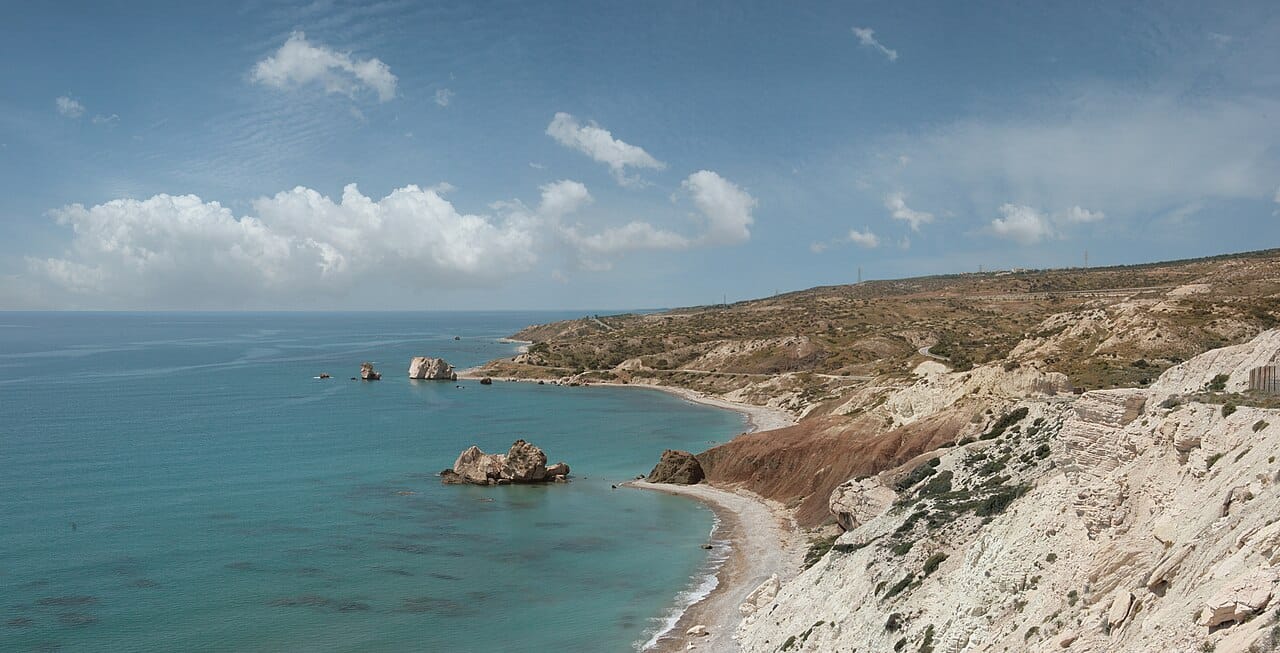
Destination guide
Cyprus, an EU member since 2004, combines Mediterranean charm with one of Europe's most favorable tax regimes. The Non-Domicile status, 300+ days of sunshine, affordable cost of living and English…
Join the waitlist and we'll email you the moment RelocDesk opens for Cyprus.
Cyprus has been a member of the European Union since 2004. The official language is Greek, but English is widely spoken across the island.
The Cypriot healthcare system (GESY) has provided universal coverage since 2019.
Cyprus offers one of the most attractive tax regimes in Europe.
| Bracket | Rate |
|---|---|
| 0 - 22,000 EUR | 0% |
| 22,001 - 32,000 EUR | 20% |
| 32,001 - 42,000 EUR | 25% |
| 42,001 - 72,000 EUR | 30% |
| Over 72,000 EUR | 35% |
Rates in force since January 2026.
Cyprus has excellent international schools and universities.
As a member state of the European Union, Cyprus applies freedom of movement for EU, EEA and Swiss nationals.
Generally a few weeks to a few months depending on the district; booking the migration office appointment is often the longest step.
The cost of living in Cyprus remains below the Western European average, although it has risen in recent years.
Limassol is the most expensive city; Larnaca and Paphos are noticeably more affordable.
Larnaca, the third largest city in Cyprus, perfectly combines urban life and seaside living. Home to
Read guideLimassol is the second largest city in Cyprus and its economic center. A true hub for international
Read guideThe fourth-largest city in Cyprus and a jewel of the island's south-west coast, Paphos draws expats
Read guideJoin the waitlist and we'll email you the moment RelocDesk opens for Cyprus.